What To Do After a Root Canal: Home Care & Follow-Up
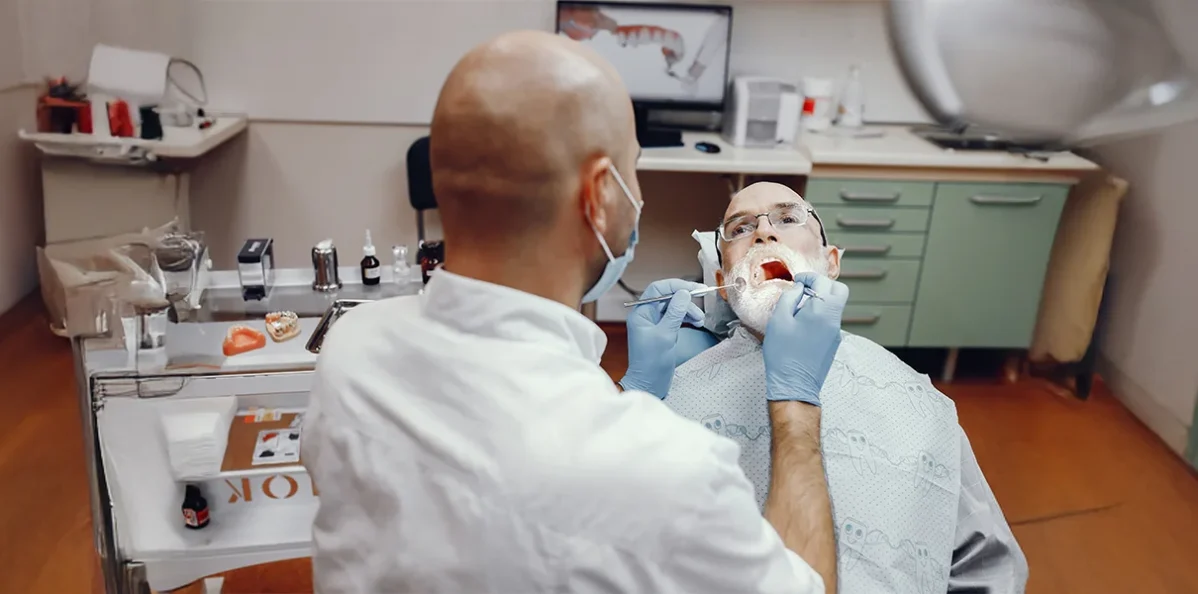
Just finished a root canal or preparing for one? This quick guide explains what to expect and how to heal comfortably, from the first 24–48 hours to long-term care, and when to call. We’ll cover eating, pain control, cleaning, and protecting your tooth so results last. If you’re searching for root canal treatment in Union City, NJ, you’ll also find practical tips to plan your follow-up and prevent setbacks.
The First 24–48 Hours: Simple Steps For a Smooth Start
Protect the Treated Tooth
- Chew on the opposite side: Hold off on biting with the treated tooth until it’s restored permanently.
- Skip hard, crunchy, or sticky foods: Nuts, ice, crusty bread, caramel, and taffy can stress a temporary filling or an uncovered tooth.
- Choose soft, cool-to-lukewarm foods: Yogurt, eggs, pasta, smoothies (not icy), and soups that are warm, not hot, are smart picks.
Manage Discomfort Safely
- Take pain relievers as directed: To manage soreness, most patients do well with standard pain relievers, ibuprofen or acetaminophen, taken as instructed. Follow the label or your dentist’s guidance.
- Use a cold compress (10–15 minutes at a time): This can lessen swelling and tenderness on the cheek near the treated tooth.
- Keep your head slightly elevated when resting: It can help reduce throbbing.
What’s normal? Mild soreness to pressure, slight gum tenderness, and temperature sensitivity for a few days.
What’s not? Severe pain that isn’t improving, visible facial swelling, or fever, see When to Call the Dentist below.
Keep the Area Clean, Gently
- Brush as usual: Be gentle around the treated tooth, especially near the gums.
- Floss carefully: If you have a temporary filling, slide floss out to the side rather than popping it up to avoid dislodging the material.
- Rinse with warm salt water: A simple rinse of half a teaspoon of salt dissolved in warm water, used two or three times a day, can ease gum tenderness.
Long-Term Home-Care Tips: Protecting Your Investment
Brushing and Flossing That Works
- Brush twice daily for two minutes: A soft-bristled brush helps protect the gums and any temporary materials.
- Floss once daily: By forming a ‘C’ shape with the floss around each tooth, you can clean plaque from areas your brush may miss.
- Consider interdental brushes or a water flosser if you have tight contacts or dental work that makes flossing tricky.
If you prefer professional guidance or need a quick check before a business trip, searching for a dentist’s office near me can help you find convenient appointment times close to home or work.
Food Choices That Are Tooth-Friendly
- Limit very hard or chewy foods that can crack enamel or stress a crown: hard candy, popcorn kernels, jerky, and sticky sweets.
- Prioritize balanced meals with lean proteins, vegetables, fruits, and calcium-rich choices for gum and bone health.
- Stay hydrated. Water helps reduce acids and food debris that fuel decay.
Don’t Skip Professional Visits
- Return for your permanent restoration: Most root-canal-treated teeth need a crown or onlay to prevent fractures. Delaying this step can lead to new problems.
- Schedule regular cleanings and exams: Your hygienist can reach areas you can’t and monitor the treated tooth over time.
If you’re comparing options or need a second opinion, searching for a dental office in Union City, NJ can surface local practices with the services and hours you prefer.
When To Call the Dentist: Red Flags You Shouldn’t Ignore
Contact your dental team promptly if you notice any of the following:
- Persistent or worsening pain beyond 72 hours, especially if pain interrupts sleep or daily activities.
- Visible swelling of the gum or face, or a pimple-like bump (fistula) on the gum near the treated tooth.
- Fever, malaise, or a bad taste that doesn’t improve after rinsing.
- A cracked, lost, or high temporary filling causing sharp edges or irritation.
- Bite changes, if your teeth don’t come together normally, pressure can inflame the ligament around the tooth.
- Sensitivity when chewing is getting worse rather than better.
Tip: If you’re unsure whether a symptom is urgent, call. A quick conversation can determine whether a same-day visit is needed.
Smart Prevention Going Forward
- Treat clenching or grinding. Ask about a night guard if you wake with jaw soreness or notice wear on your teeth.
- Address cavities early. Small fillings are simpler and protect tooth structure.
- Keep a travel kit. A compact brush, fluoride toothpaste, and floss picks make it easier to stay consistent on busy days.
- Choose a toothpaste containing fluoride to reinforce enamel and guard against decay around restorations.
If you’re new to the area or exploring options for routine checkups, you can search for a dentist near me to compare hours, emergency availability, and patient reviews without delaying needed care.
Final Thoughts
Recovering well after a root canal is about steady, simple habits: protect the tooth for the first couple of days, keep everything clean, follow through with the permanent restoration, and call if anything feels off. With attentive home care and regular checkups, a treated tooth can remain comfortable and functional for many years.
If you have questions about your specific situation, or you’re ready to schedule your follow-up, our team at Hudson Family Dental is happy to help.